
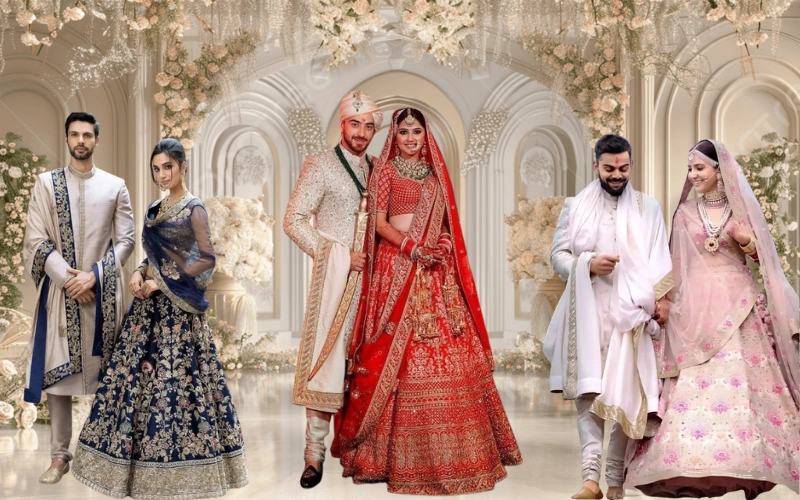
Indian wedding matching bride and groom dress colour combinations involve coordinating the bride’s and groom’s outfits through complementary or contrasting hues that create visual harmony while respecting traditional aesthetics and modern sensibilities—think classic red lehenga paired with gold sherwani, or contemporary pastel pink with ivory.
Why Colour Coordination Matters More Than Ever
Picture this: You’re standing at the mandap, cameras flashing from every angle, and suddenly you realize your vibrant orange lehenga clashes horribly with your groom’s electric blue sherwani. The photographs? Let’s just say they won’t be making it to your living room wall anytime soon.
In 2024, coordinated wedding fashion isn’t just about looking good—it’s about creating a visual narrative that tells your love story through colour. According to recent data from the Indian Wedding Industry report, approximately 78% of millennial couples now prioritize colour-coordinated outfits across all wedding functions, up from just 42% in 2019. This shift reflects a deeper understanding that wedding photography and videography have evolved into cinematic experiences where every detail matters.
But here’s where it gets interesting: coordination doesn’t mean matching. The modern indian wedding matching bride and groom dress colour combination philosophy embraces complementary aesthetics rather than identical hues. Think of it as a conversation between two outfits rather than a monotonous monologue.
Statistical Snapshot: Indian Wedding Colour Trends 2024-2025
| Colour Combination | Popularity (%) | Preferred Wedding Function | Regional Preference |
|---|---|---|---|
| Red and Gold | 34% | Main Ceremony | Pan-India (Highest in North) |
| Pastel Pink and Ivory | 18% | Reception, Pre-wedding | Mumbai, Delhi, Bangalore |
| Royal Blue and Gold | 15% | Sangeet, Reception | Punjab, Rajasthan |
| Emerald Green and Cream | 12% | Mehendi, Day Functions | South India, Gujarat |
| Lavender and Silver | 9% | Cocktail, Reception | Metropolitan cities |
| Mustard Yellow and Olive | 7% | Haldi, Mehendi | Rajasthan, Gujarat |
| Champagne and Burgundy | 5% | Reception, Engagement | Delhi NCR, Hyderabad |
Source: Indian Wedding Fashion Trends Report 2024, compiled from data provided by leading bridal boutiques and wedding planners across 15 major Indian cities
The Seven Stunning Colour Combinations That Rule Indian Weddings
1. Classic Red and Gold – Timeless Elegance
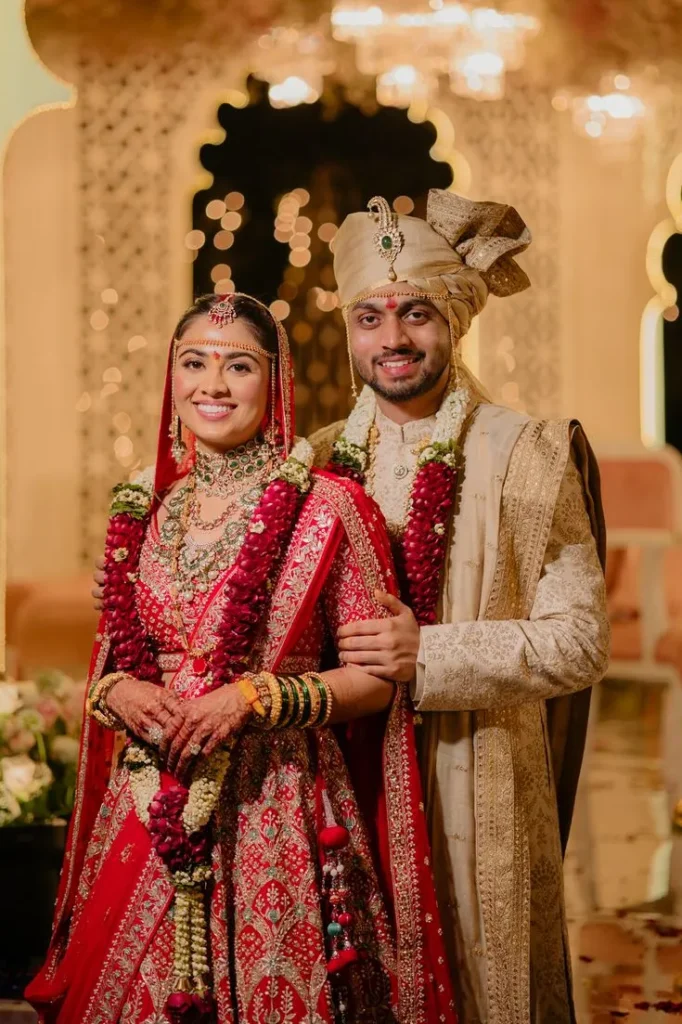
Nothing screams “Indian wedding” quite like the iconic red and gold combination. This indian wedding matching bride and groom dress colour combination has dominated mandaps for centuries, and honestly, it never gets old. The bride typically wears a rich red lehenga or saree embellished with gold zari work, while the groom complements her in a cream or gold sherwani with red accents or a matching red dupatta. The psychology behind this choice runs deep—red symbolizes prosperity and fertility in Hindu tradition, while gold represents wealth and auspiciousness.
According to wedding designer Sabyasachi Mukherjee’s 2024 collection insights, red remains the top choice for 34% of Indian brides, particularly for the main wedding ceremony. The magic happens in the details: when the bride’s red dupatta catches the light alongside the groom’s gold embroidered achkan, creating that picture-perfect moment everyone remembers. Pro tip from the trenches: ensure the red shades match perfectly—a crimson bride next to a maroon groom creates visual discord that even the best photographer can’t fix.
2. Pastel Pink and Ivory – Soft and Romantic
The pastel revolution has completely transformed Indian wedding fashion, and the pink-ivory duo leads this gentle rebellion. This combination works beautifully for couples wanting to break away from traditional boldness while maintaining elegance. The bride floats down the aisle in a blush pink or rose quartz lehenga adorned with delicate silver or pearl work, while the groom looks dapper in an ivory or cream sherwani with subtle pink embroidery or accessories. What makes this pairing exceptional is its versatility—it photographs gorgeously in both natural daylight and evening lighting, which wedding photographers absolutely love.
Fashion designer Anita Dongre’s recent collections showcase how pastels can carry traditional embroidery techniques while feeling contemporary. This indian wedding matching bride and groom dress colour combination particularly shines during reception ceremonies and pre-wedding shoots, where the softness creates an almost dreamlike quality in photographs. The ivory grounds the ensemble, preventing the pink from appearing too sweet or juvenile, while the pink adds warmth that pure whites often lack. Celebrity weddings, including several Bollywood receptions in 2024, have popularized this palette, making it the second most requested combination in metropolitan bridal boutiques.

3. Royal Blue and Gold – Majestic and Modern
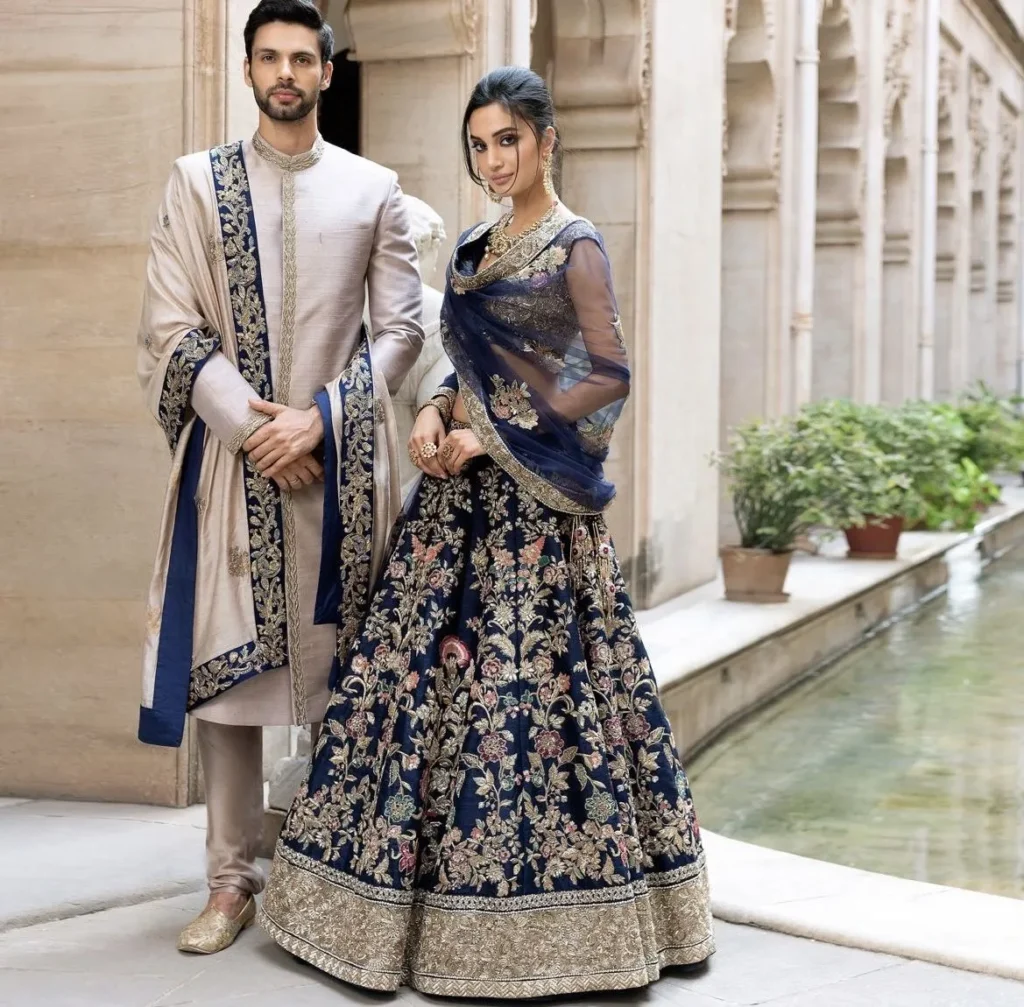
If you want your wedding to radiate royalty without the predictability of red, royal blue paired with gold delivers that regal punch. This combination draws inspiration from historical Indian royalty—think Maharajas and their court attire—but translates it into contemporary fashion. The bride makes a bold statement in a deep royal blue lehenga or anarkali with intricate gold threadwork, zardozi, or gota patti embellishments, while the groom echoes this majesty in a gold or cream sherwani with royal blue detailing, or vice versa with a blue sherwani and gold accents. The contrast creates visual drama that’s impossible to ignore, making this palette perfect for evening ceremonies and sangeet functions where lighting enhances the richness of these hues.
Punjabi and Rajasthani weddings have particularly embraced this combination, as it aligns with the region’s love for vibrant, unapologetic colour. What’s fascinating is how this palette photographs—blue doesn’t compete with red in the same visual space, allowing both bride and groom to stand out individually while looking cohesive together. Wedding decorator insights from 2024 reveal that royal blue setups require less floral expense since the outfit colors themselves provide sufficient visual interest, making this an aesthetically and economically smart choice.
4. Emerald Green and Cream – Earthy and Elegant
Emerald green has emerged as the thinking couple’s choice—sophisticated, unique, and deeply connected to nature’s palette. This indian wedding matching bride and groom dress colour combination works exceptionally well for day functions, particularly mehendi and outdoor ceremonies. The bride wears a stunning emerald or forest green lehenga or saree with gold or cream embroidery, while the groom complements her in a cream or off-white sherwani with green accents, perhaps through a dupatta, pocket square, or embroidered collar. What makes this combination special is its cultural resonance across different Indian regions—green holds auspicious significance in Islamic traditions, represents fertility and new beginnings in Hindu ceremonies, and symbolizes prosperity in South Indian weddings.
Designer Manish Malhotra’s 2024 collection featuring emerald bridal wear sparked a 40% increase in demand for green lehengas, according to boutique owner reports from Delhi and Mumbai. The cream or ivory in the groom’s outfit prevents the green from overwhelming the visual frame while adding a fresh, clean contrast that photographs beautifully against India’s diverse wedding venues—from palace courtyards to beachside mandaps. This palette also offers practical advantages: green doesn’t clash with most floral decorations, making decor coordination significantly easier.

5. Lavender and Silver – Contemporary Chic
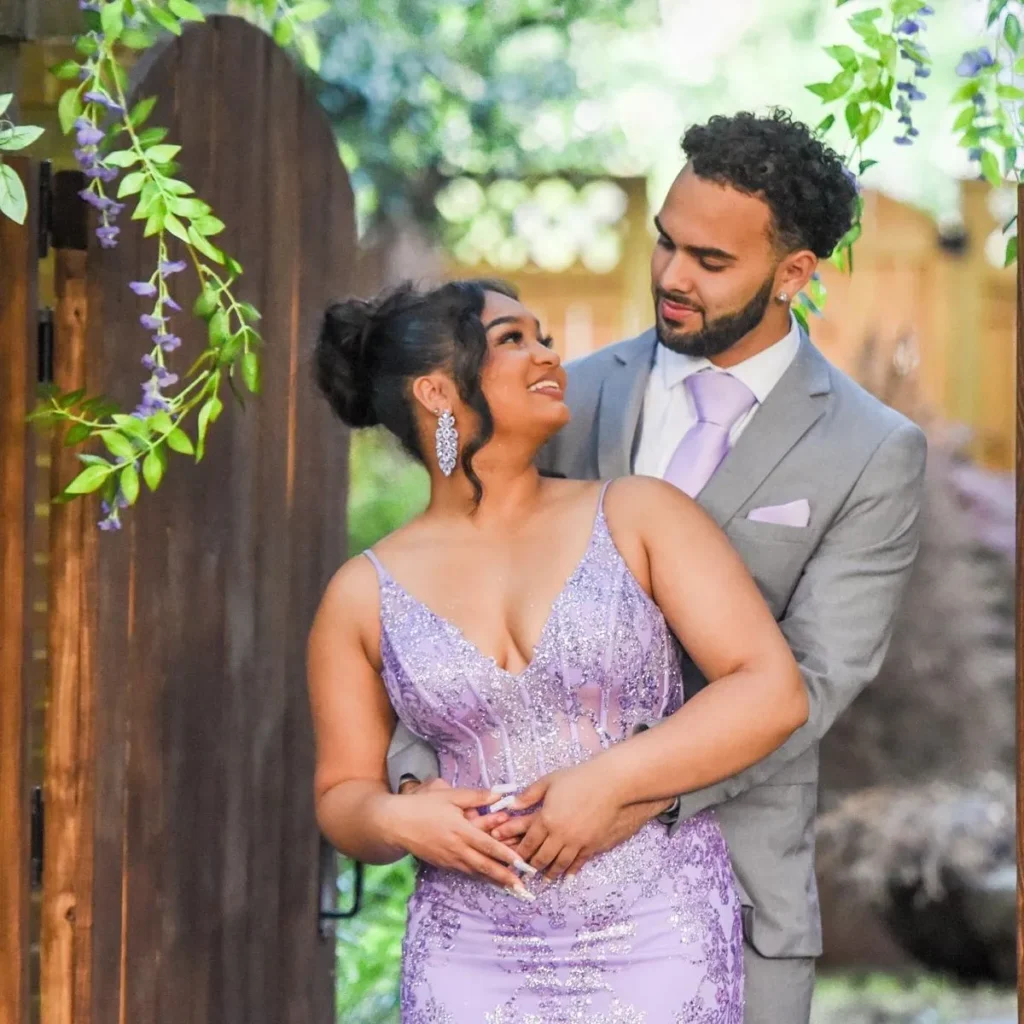
For the millennial couple who lives on Instagram and wants their wedding to look like a Pinterest board come to life, lavender and silver deliver that contemporary edge. This combination represents the new generation’s approach to Indian weddings—respectful of tradition but unafraid to reinterpret it. The bride wears a soft lavender or lilac lehenga with silver embroidery, sequins, or mirror work that catches every camera flash, while the groom opts for a silver-grey or steel blue sherwani with lavender accents in his dupatta or turban. This palette has gained remarkable traction in metropolitan areas, particularly for cocktail parties and reception ceremonies where western influences blend with Indian aesthetics.
What’s interesting about this combination is its gender-fluid appeal—it doesn’t conform to traditional “bridal” colors, making it popular among couples who want to challenge conventional aesthetics. Wedding planners note that lavender and silver work exceptionally well with metallic and LED lighting designs, creating that modern, editorial look that dominates social media wedding content. However, this palette requires confident styling—the softness of these hues demands quality fabrics and expert tailoring to avoid looking washed out. Celebrity stylist insights suggest pairing this combination with bold jewelry and makeup to ensure the couple doesn’t disappear into their pastel-metallic bubble.
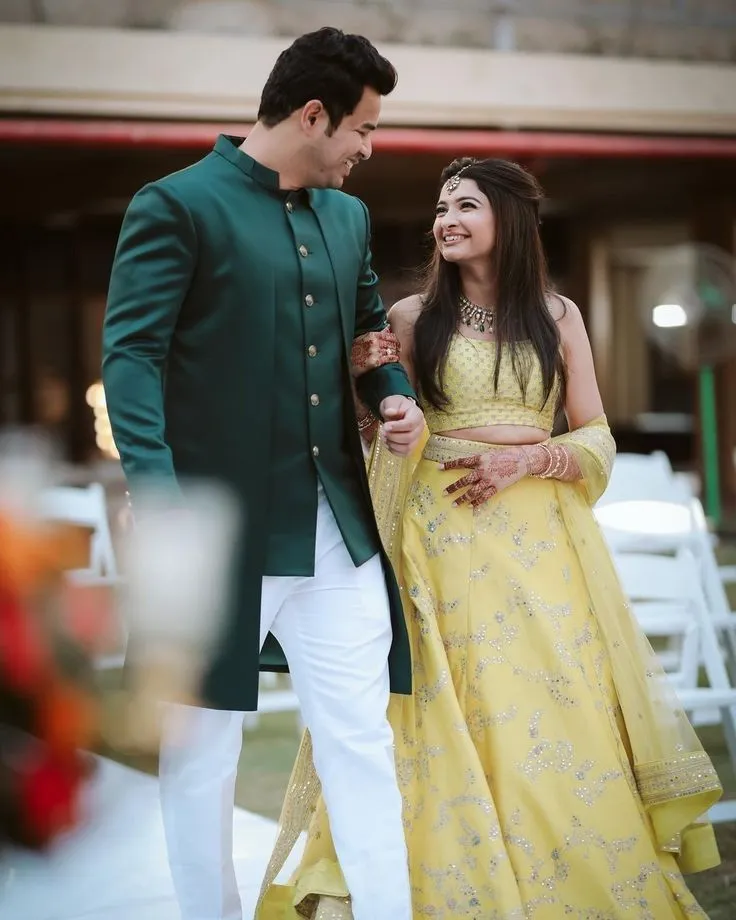
6. Mustard Yellow and Olive Green – Vibrant and Trendy
Welcome to the color combination that brings joy, energy, and unabashed celebration to your wedding festivities. Mustard yellow paired with olive green captures the essence of Indian vibrancy while feeling refreshingly unconventional. This palette is specifically popular for haldi and mehendi ceremonies but has increasingly found its way into main wedding functions, particularly in Rajasthan and Gujarat where bold color choices are celebrated. The bride might wear a vibrant mustard yellow lehenga with olive green embroidery or border work, while the groom dazzles in an olive green kurta or sherwani with mustard accents through his dupatta, safa (turban), or embroidered details.
What makes this indian wedding matching bride and groom dress colour combination absolutely photograph-worthy is how these warm and earthy tones complement Indian skin tones universally. Both colors have strong traditional roots—yellow represents auspiciousness and is considered sacred in Hindu ceremonies, while green symbolizes prosperity and harmony. The contrast between mustard’s warmth and olive’s coolness creates visual interest without jarring discord. Fashion-forward couples have taken this combination further by incorporating floral jewelry in complementary hues—marigold and mogra flowers naturally echo these colors, creating a cohesive look from head to toe. This palette also offers practical benefits for daytime outdoor weddings, as both colors photograph beautifully in natural sunlight without appearing washed out or overly vibrant.
7. Champagne and Burgundy – Sophisticated and Glamorous
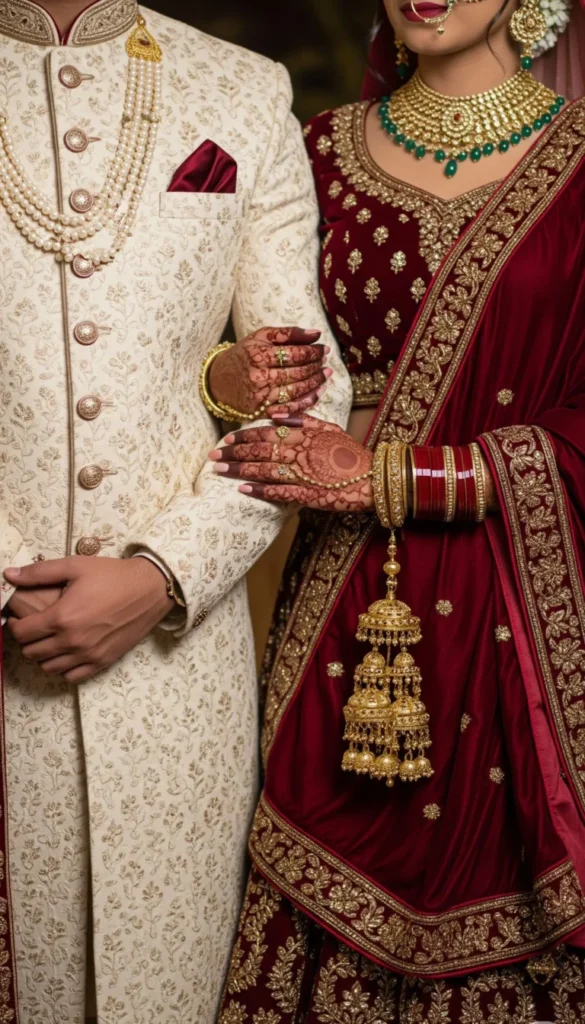
If “understated luxury” had a colour palette, it would be champagne and burgundy. This combination has become the choice for couples who appreciate elegance over exuberance, sophistication over spectacle. The bride typically wears a champagne or nude-toned lehenga with burgundy or wine-colored embroidery and embellishments, creating depth and dimension, while the groom looks refined in a burgundy or deep maroon sherwani with champagne-gold accents or vice versa with champagne as the base and burgundy detailing. This palette gained significant attention through high-profile celebrity weddings in Delhi NCR and Hyderabad, where evening receptions called for something more subtle than traditional reds but richer than pastels.
What’s remarkable about this combination is its maturity—it appeals to couples marrying later in life or those having second weddings who want elegance without traditional bridal obviousness. The champagne base acts as a neutral canvas that makes the burgundy pop without overwhelming, while burgundy adds just enough color to prevent the outfit from reading as purely neutral. Wedding photographers particularly love this combination for evening shoots because these hues interact beautifully with golden hour lighting and sophisticated venue lighting designs.
Industry experts note that champagne and burgundy coordinate effortlessly with most wedding themes—from vintage palace weddings to modern luxury hotel receptions—making decor planning significantly smoother. This palette also translates well into reception attire for couples who change outfits multiple times during their wedding festivities.
Expert Insights on Making Colour Coordination Work
Renowned wedding stylist Rhea Kapoor, who has styled numerous celebrity weddings, emphasizes: “The key to perfect indian wedding matching bride and groom dress colour combination lies in understanding undertones. A warm-toned red lehenga needs a warm-toned gold sherwani—mixing cool and warm undertones of the same color family creates subtle discord that’s visually uncomfortable even if people can’t pinpoint why.”
Fashion photographer Tarun Khiwal, whose work has been featured in major bridal magazines, adds: “I always advise couples to consider their venue and lighting when choosing colors. What looks stunning in a boutique’s fluorescent lighting might photograph completely differently under yellow banquet hall lights or natural outdoor sunlight. Always do a test shoot in similar lighting conditions.”
Regional Variations and Cultural Considerations
India’s diversity means colour preferences vary dramatically across regions. South Indian weddings traditionally favor temple colors—reds, golds, and greens rooted in religious symbolism. Punjabi weddings embrace bold, vibrant combinations that match the community’s exuberant celebration style. Bengali weddings often feature red and white combinations, while Gujarati weddings increasingly experiment with unconventional palettes during the multiple-day festivities.
Understanding these regional nuances helps couples honor their heritage while personalizing their choices. A Malayali bride might choose traditional kasavu (cream with gold border) while her groom coordinates with a cream mundu and gold angavastram, maintaining the classic aesthetic while ensuring coordination.
Practical Tips from the Wedding Trenches
Through years of coordinating couples’ outfits, here’s what actually works: First, decide your bride’s outfit first—wedding fashion still centers on bridal attire, so build around it. Second, coordinate with your wedding decorator early; your outfit colors should complement, not clash with, your mandap and venue decor. Third, consider the time of day for your ceremony—pastels and lighter shades work gorgeously in daylight, while rich jewel tones shine in evening functions.
Another crucial insight: fabric matters as much as color. A bride in heavy silk and a groom in light cotton won’t look coordinated regardless of matching colors. Ensure fabric weight and texture feel cohesive—both heavy traditional fabrics or both lighter, modern textiles.
The Photography Factor
In 2024, wedding photography has evolved into cinematic storytelling, and colour coordination directly impacts how these visual stories unfold. Cinematographers report that complementary color combinations reduce post-production editing time significantly, as the natural color harmony requires less digital manipulation. This practical benefit aside, coordinated outfits create visual anchors in wide shots during ceremonies, helping viewers focus on the couple rather than being distracted by jarring color contrasts.
Award-winning wedding filmmaker Vishal Punjabi notes: “When couples nail their indian wedding matching bride and groom dress colour combination, every frame feels intentional and curated. The photographs tell a cohesive visual story rather than looking like random snapshots of people who happened to be getting married.”
Conclusion
Choosing the perfect indian wedding matching bride and groom dress colour combination represents more than aesthetic decision-making—it’s about creating visual harmony that honors tradition while expressing your unique love story. Whether you gravitate toward timeless red and gold, contemporary lavender and silver, or earthy emerald and cream, the key lies in understanding color theory, respecting cultural significance, and ensuring both partners feel confident and beautiful.
Remember, trends come and go, but your wedding photographs last forever. Choose colours that resonate with your personal style, coordinate with your venue and season, and most importantly, make you both feel absolutely spectacular. After all, the best colour combination is the one that makes you smile when you look at your wedding album decades from now.
The modern Indian wedding celebrates individuality within tradition, and your coordinated outfits should reflect exactly that—uniquely yours, beautifully harmonious, and absolutely unforgettable.
Frequently Asked Questions
Q1: Should the bride and groom wear the exact same colour for an Indian wedding?
No, exact matching often appears costume-like rather than coordinated. Instead, use complementary colours—if the bride wears red, the groom could choose gold or cream with red accents. The goal is harmony, not identical outfits. Think of it as a visual conversation where both colours enhance each other.
Q2: Can we use different colour combinations for different wedding functions?
Absolutely! In fact, this is highly recommended. Most Indian weddings span multiple days with various functions—mehendi, sangeet, main ceremony, and reception. Using different coordinated palettes for each event keeps things fresh and allows for diverse photography aesthetics. Just ensure each combination is internally coordinated.
Q3: How do we coordinate colours if we’re having a fusion wedding with different cultural traditions?
For fusion weddings, identify common colour symbolism between both cultures. For instance, red signifies celebration in both Indian and Chinese traditions. Alternatively, choose neutral sophisticated palettes like champagne and burgundy that don’t belong specifically to either tradition, creating a unique third aesthetic that represents your union.
Q4: What if our families have strong preferences for traditional colours but we want something modern?
Compromise by using traditional colours for the main ceremony (satisfying family expectations) and choosing contemporary palettes for pre-wedding functions and receptions (expressing your personal style). You could also incorporate traditional colours through accessories—a modern lavender lehenga with a traditional red dupatta, for instance.
Q5: How early should we finalize our colour combination?
Ideally 6-8 months before your wedding. This timeline allows for custom outfit creation, gives your decorator time to plan complementary décor, and ensures any changes can be made without rush fees. It also allows time for accessory shopping, makeup trials in coordinating shades, and ensuring your entire bridal party complements your chosen palette.
Q6: Do colour combinations look different in photographs than in person?
Yes, significantly. Different fabrics reflect light differently, and certain colours photograph darker or lighter than they appear in person. Always do a trial photo shoot in lighting similar to your venue. Pastels might wash out under certain lights, while very dark colours might lose detail in photographs. Professional photographers can advise on colour choices that photograph beautifully.
Disclaimer: Information here reflects Indian wedding fashion trends and expert insights from 2024–2025. Colour selection is a personal choice shaped by culture, region, family traditions, and individual style. Popular combinations are shared for guidance only. Traditions differ widely across communities, so final decisions should align with personal comfort. Fabric, lighting, and photography can affect colour appearance—physical swatches and professional advice are strongly recommended before finalizing choices.
