
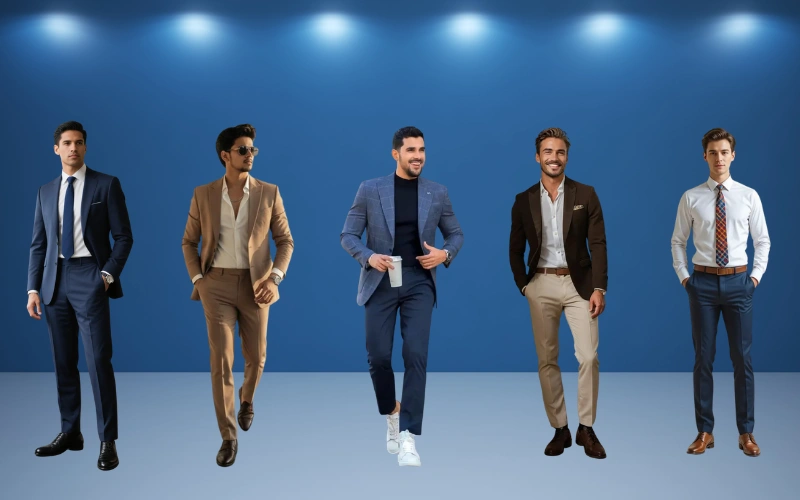
Looking polished at work is not just about rules. It is about confidence, comfort, and showing respect for your role. The formal dress code for men has evolved over time, but the core idea stays the same. Clean lines, good fit, and smart styling always win. Whether you work in a corporate office, attend meetings, give interviews, or go to formal events, dressing right can change how people see you and how you feel about yourself.
Today’s professional men want outfits that look sharp, feel comfortable, and suit modern work culture. From classic suits to smart shirts and tailored pants, formal fashion offers many stylish choices. Below are seven corporate formal dress code styles that professionals truly wear and trust.
Table of Contents
Toggle1. Classic Business Formal Suit
The business formal suit is the foundation of the business formal dress code for men. This outfit is perfect for corporate offices, client meetings, interviews, and formal presentations.
A well fitted suit in navy blue, charcoal grey, or black always looks professional. Pair it with a crisp white or light blue shirt. Add a solid or lightly patterned tie for a refined touch. Leather shoes in black or brown complete the look.
For fabric, choose wool or wool blend suits as they breathe well and hold shape. In summer, lighter fabrics help stay comfortable. In winter, thicker suits add warmth without losing style.
Styling tip:
For meetings, keep accessories minimal. A simple watch and clean shoes are enough.

2. Office Formal Shirt and Trousers Look
Not every office requires a full suit every day. The office formal dress code for men often includes a well ironed shirt and tailored trousers.
Choose shirts in white, pastel shades, or subtle patterns. Trousers should be straight fit or slim fit in neutral colors like grey, navy, or beige. Tuck the shirt neatly and add a belt that matches your shoes.
Cotton shirts are ideal for long office hours because they feel soft and breathable. Trousers with a slight stretch improve comfort.
How to style one shirt in three ways:
For daily office wear, pair a white shirt with grey trousers.
For meetings, add a blazer and formal shoes.
For after work events, roll up sleeves slightly and switch to loafers.
3. Semi Formal Dress Code for Men
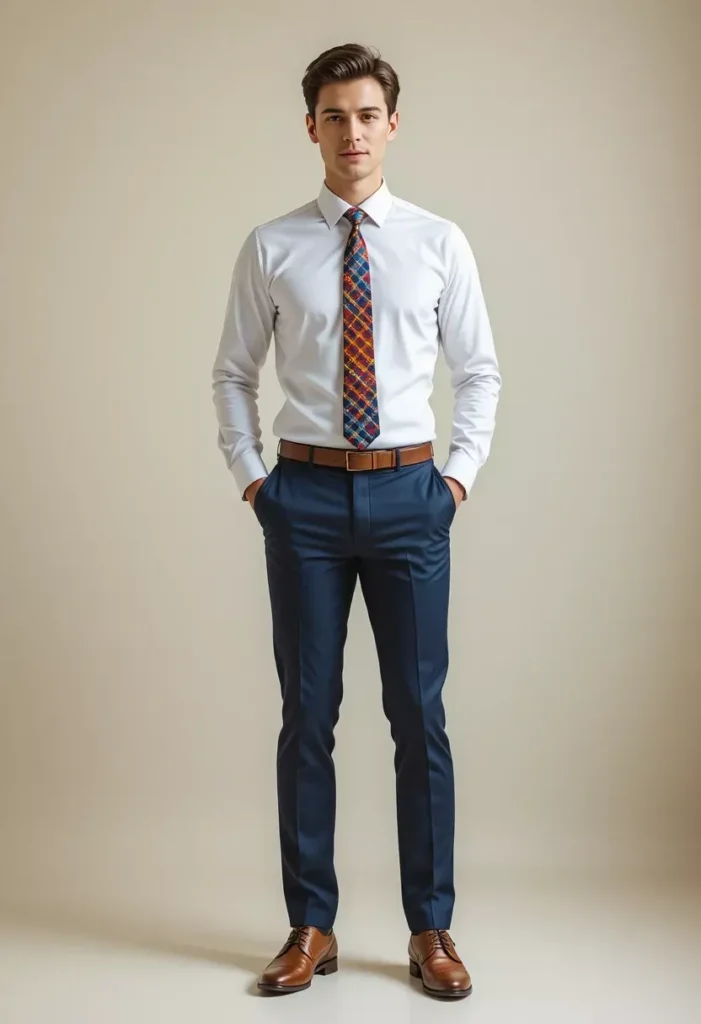
The semi formal dress code for men is a balance between formal and relaxed. It works well for creative offices, team meetings, and casual Fridays.
This look includes a collared shirt, chinos or dress pants, and sometimes a blazer. You can skip the tie but keep the outfit neat. Colors like olive, navy, beige, and light grey look modern and professional.
Avoid loud prints or very bright colors. Keep the style clean and simple.
Outfit hack:
Add a blazer to instantly upgrade a semi formal outfit without much effort.
4. Casual Formal Dress Code for Men
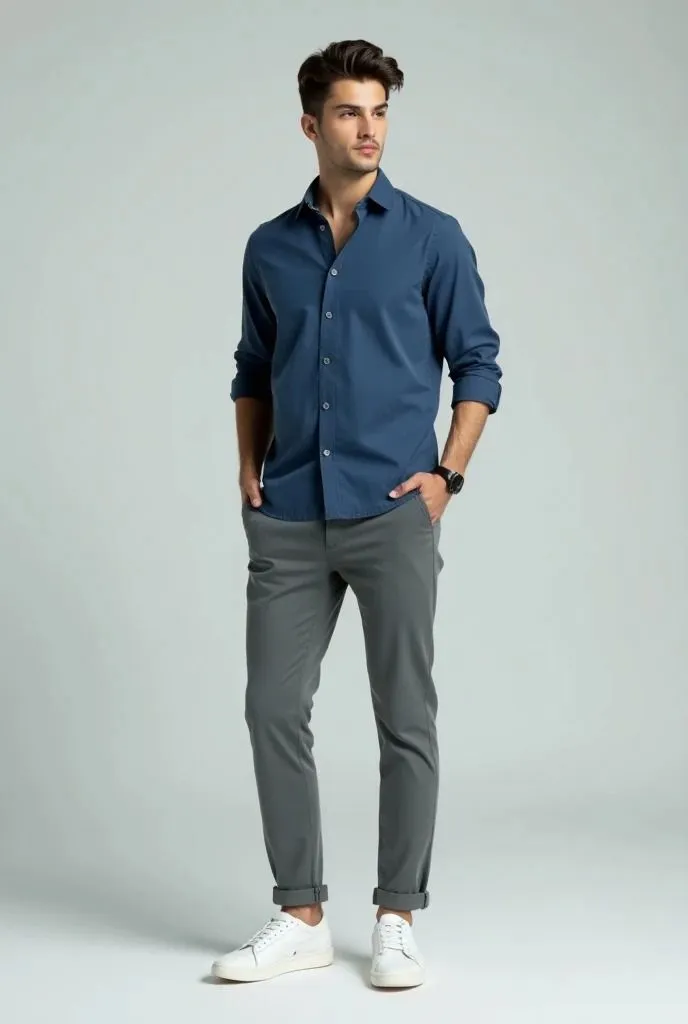
The casual formal dress code for men is popular in modern offices. It allows comfort while maintaining professionalism.
This style includes solid shirts, well fitted trousers, or chinos, and smart shoes. Polo shirts may work in relaxed offices but always check workplace culture.
Stick to neutral colors and avoid wrinkled clothes. Clean sneakers may work in some offices, but leather shoes remain the safest option.
Best colors for casual formal outfits:
White, navy, grey, beige, and soft pastels look clean and stylish.

5. Formal Dress Code for Men for Interview
First impressions matter the most in interviews. The formal dress code for men in interview should be safe, smart, and professional.
A solid colored suit with a light shirt is the best choice. Keep patterns minimal. Shoes must be polished. Avoid flashy watches or accessories.
For those applying to creative roles, a blazer with trousers can also work if styled properly.
Interview dressing tip:
Always choose comfort along with style. If you feel confident in your outfit, it shows.

6. Formal Dress Code for Men Wedding and Events
Formal dressing is not limited to offices. The formal dress code for men wedding often includes suits, tuxedos, or elegant ethnic wear.
For weddings, dark suits, three piece suits, or classic bandhni or sherwani styles are popular. Choose rich fabrics like silk blends or premium wool. Neutral shades or deep tones like maroon, navy, or charcoal look elegant.
Accessories like pocket squares, cufflinks, and formal shoes add charm.
Seasonal advice:
For summer weddings, choose lighter fabrics. For winter events, layer with a structured jacket.

7. Formal Dress Code for Men and Women at Workplace
Modern workplaces focus on balanced style for everyone. The formal dress code for men and women shares similar rules. Clean silhouettes, subtle colors, and neat grooming.
For men, this means fitted shirts, tailored pants, blazers, and formal shoes. Pay attention to grooming, clean hair, trimmed beard, and polished footwear.
Matching outfits with workplace culture shows professionalism and respect.

Latest Trends in Formal Fashion for Men
Formal fashion is no longer boring. New trends focus on comfort, fit, and versatility.
Slim fit suits with stretch fabric are in demand. Neutral shades mixed with soft colors look modern. Minimal patterns like micro checks or thin stripes add interest.
Layering is another trend. Lightweight blazers, waistcoats, and cardigans make outfits more flexible across seasons.
Essential Wardrobe Pieces Every Man Needs
To master the best formal dress code for men, build a smart wardrobe.
Must have items include
Two solid formal shirts
One classic suit
Two tailored trousers
One neutral blazer
Quality leather shoes
Matching belt and watch
These pieces allow multiple outfit combinations without spending too much.
Fabric Quality and Comfort Matters
Good fabric improves both look and feel. Cotton, wool, and blended fabrics last longer and feel comfortable.
Avoid synthetic fabrics that trap heat. Always check stitching quality and fit before buying.
Comfort helps you stay confident all day.
Outfit Care and Maintenance Tips
Formal outfits last longer with proper care.
Always hang suits on wooden hangers.
Iron shirts before wearing.
Polish shoes regularly.
Dry clean suits only when needed.
Taking care of outfits saves money and keeps your style sharp.
Color Coordination and Accessories
Color balance is key in formal dressing. Pair light shirts with dark trousers. Avoid mixing too many colors.
Accessories should be simple. Belts and shoes must match. Watches should be classic.
Small details create a big impact.
Conclusion
The formal dress code for men is not about strict rules. It is about dressing with purpose, confidence, and style. From business formal suits to semi formal office looks and wedding outfits, choosing the right combination helps you stand out positively.
Good fabric, proper fit, clean colors, and smart accessories make any outfit look premium. Small styling choices can transform simple clothes into professional statements.
For more outfit inspiration, latest fashion trends, and smart styling tips, keep exploring fresh ideas and upgrade your wardrobe step by step. Dressing well is a habit that always pays off.
Read more
Latest Abba Outfit Ideas to Elevate Your Modest Fashion Style
